What is Mental Health?
By Nasreen Gulamhusein, Co-Founder & Principal Counsellor
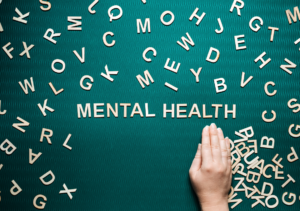
May is recognized as Mental Health Month — a time dedicated to increasing awareness, reducing stigma, and encouraging conversations about emotional wellbeing. While it is valuable to have a designated month to spotlight mental health, for therapists, counsellors, and mental health professionals, mental health is not something we focus on for 31 days a year.
Mental health is every month.
It influences how we think, feel, relate to others, cope with stress, and move through everyday life. Just as we pay attention to our physical health throughout the year, our mental wellbeing deserves ongoing care and attention too.
When many people hear the term “mental health,” they often think about mental illness, crisis, or struggle. But mental health is much broader than that. It is not simply the absence of anxiety, stress, or difficult emotions, nor is it about feeling happy all the time.
Good mental health includes resilience, self-awareness, connection, and the ability to navigate life’s challenges while still feeling grounded and supported.
Mental health is made up of many different components, all of which work together to shape our overall wellbeing.
Emotional Health
Emotional health refers to our ability to understand, express, and manage emotions in healthy ways. This does not mean always feeling calm or positive. Being emotionally healthy includes having space for stress, sadness, frustration, and uncertainty while also being able to experience joy, connection, and hope.
Emotional wellbeing often begins with recognizing what we are feeling and allowing ourselves compassion rather than judgment. Many of us are skilled at supporting others but far less practiced at extending that same care to ourselves.
Mental and Cognitive Health
This aspect of mental health relates to our thoughts, focus, and the ways we process experiences. Stress, burnout, grief, and anxiety can affect how we think and how we see ourselves.
At times, our minds can become overly critical or stuck in patterns that leave us feeling overwhelmed or discouraged. Paying attention to mental wellness means noticing these patterns and developing healthier ways of responding to ourselves and the situations around us.
This is often where increased self-awareness can make a deep and meaningful difference.
Social Connection
We’ve all heard the phrase, “humans are wired for connection.” In basic, this means healthy relationships and a sense of belonging play an important role in our mental wellbeing.
Social health is not about having a large circle of friends or a full social calendar. Rather, it is about having meaningful relationships where we feel safe, supported, and understood. It also includes learning to communicate openly and set healthy boundaries when needed.
Sometimes protecting our mental health means reaching out for support, and other times it means saying no.
Physical Wellbeing
Mental and physical health are deeply connected. Sleep, nutrition, movement, stress levels, and rest all influence how we feel emotionally.
Sometimes when life feels overwhelming, we overlook the basics. Yet small things — getting enough rest, eating regularly, moving our bodies, spending time outside, or simply slowing down — can have a meaningful impact on how we cope and function.
Caring for our mental health does not always involve major changes; often, it starts with paying attention to the foundational things we need.
Purpose and Self-Compassion
Mental wellbeing is also shaped by how we view ourselves and our lives. Feeling connected to our values, relationships, purpose, and identity can provide a sense of meaning and steadiness, especially during difficult seasons.
Equally important is the way we speak to ourselves. Many people hold themselves to impossible standards or speak internally in ways they would never speak to someone they love.
Practicing self-compassion does not mean lowering expectations or avoiding accountability — it means learning to approach ourselves with kindness, especially when life feels hard.
How Therapy Can Help
Therapy can play an important role in supporting mental health, and not only during times of crisis.
Many people seek therapy when they are feeling overwhelmed, anxious, stuck, or emotionally exhausted. Others come to therapy simply because they want to better understand themselves, strengthen relationships, or learn healthier ways of coping.
Therapy offers a dedicated space to process emotions, reflect on experiences, gain perspective, and develop practical tools for managing life’s challenges. It can help people better understand patterns, improve emotional regulation, and build resilience.
Seeking support is not a sign that something is wrong.
In many ways, it is an investment in overall wellbeing.
As Mental Health Month reminds us, conversations about mental wellness matter. But the reality is that mental health deserves our attention all year long. Caring for ourselves emotionally, physically, and relationally is not something reserved for difficult seasons or moments of crisis.
Mental health is part of everyday life.
 Breathing Space Counselling is a thriving private counselling practice in Port Moody, BC. It was founded in 2016 by two Master Therapeutic Counsellors, Nasreen Gulamhusein & Shahaa Kakar. We offer in-person and online counselling for individuals and couples. We also offer in-person child & youth counselling.
 On Saturday, members of our Breathing Space Counselling team attended a child-led March in Vancouver, held in support of a free Palestine.
 By Shahaa Kakar & Nasreen Gulamhusein
 By Shahaa Kakar & Nasreen Gulamhusein